
Loading
Preparing your coverage insights...
Our Locations
Loading
Preparing your coverage insights...
A 2026 cost guide to commercial truck insurance: what drives cost by truck type (box truck, semi, owner operator), across the states Dragon serves, what factors drive the price, how no-down-payment options work, and how to lower the premium. Dragon shops multiple carrier markets for trucking.
Get a commercial truck insurance quote. One call compares the carriers we write side by side.

Commercial truck insurance is priced on the truck, not the brochure. A box truck running local deliveries, a semi pulling a reefer over the road, and an owner operator hauling under their own authority all face very different numbers, even in the same state. That is why two markets can quote the same rig hundreds of dollars apart per month. As an independent agency, Dragon Insurance shops your risk across multiple carrier markets, including Progressive for lighter commercial auto, and GEICO and Trinity Underwriters, plus additional specialty and excess and surplus (E&S) markets through master brokerage relationships, for trucking-specific and higher-hazard operations, to find the real number for your operation.
This guide is about price: what actually drives commercial truck insurance cost in 2026. For the legal side, see our Pennsylvania FMCSA and PUC requirements guide and our hot shot trucking insurance guide.
Where We Write Policies
Licensed in PA, TX, VA, MD, OH, TN & KY only. Quotes available for these states.
Key Takeaways
Quick Answer
How much is commercial truck insurance?
Premiums can start around $200 a month for a clean-record truck with established authority, but the range runs into the thousands depending on your equipment, cargo, radius, authority age, and driving history. For a published reference point, MoneyGeek's industry average, updated September 8, 2026, is $421 a month ($5,051 a year) for $1 million in liability. Your actual rate is set by the market at quote, so call 717-229-5115 to compare Progressive, GEICO, and Trinity Underwriters on your exact truck in one conversation.
According to MoneyGeek's commercial truck insurance cost study, updated September 8, 2026, commercial truck insurance averages $421 per month ($5,051 per year) for $1 million in liability coverage. Premiums can start around $200 a month for a clean-record truck with established authority, but the range runs into the thousands depending on your equipment, cargo, radius, authority age, and driving history. Call 717-229-5115 for your actual rate. Published averages sit above that starting point because they are calculated for a modeled business with 5 employees and $500,000 in revenue, not a single clean-record truck with seasoned authority.
Industry benchmarks, not Dragon quotes.
Your premium depends on authority age, radius, cargo, driving record and equipment. The figures below are published averages from a third party and are shown for comparison only.
| Truck type | Average per month | Average per year |
|---|---|---|
| Box truck | $388 | $4,659 |
| Dump truck | $549 | $6,587 |
| Flatbed truck | $569 | $6,828 |
| Semi-truck | $639 | $7,672 |
| Tanker truck | $709 | $8,511 |
| Semi-truck, HAZMAT cargo | $1,181 | $14,169 |
| Tanker truck, HAZMAT cargo | $1,240 | $14,885 |
| State | Average per month |
|---|---|
| Pennsylvania | $439 |
| Texas | $485 |
| Virginia | $402 |
| Maryland | $495 |
| Ohio | $389 |
| Tennessee | $423 |
| Kentucky | $389 |
Source: MoneyGeek, Commercial Truck Insurance Cost, updated September 8, 2026. Averages assume a business with 5 employees, $500,000 in revenue and $1 million in liability. Industry benchmarks, not Dragon quotes.
See where your truck actually lands against these averages.
Call with your truck type, base state, radius, and cargo, and we quote Progressive, GEICO, and Trinity Underwriters side by side with identical limits in one conversation.
Truck type is the first thing an underwriter looks at, because it signals weight, speed, value, and how far the truck travels. The benchmark table above covers equipment classes; it does not separate leased-on trucks from trucks running their own authority, which is one of the biggest swings in a real quote. Here is how the categories generally compare relative to each other, from lowest to highest typical cost:
Long-haul mileage, hazardous cargo, and prior claims push any of these categories higher. Wreckers and rollbacks are quoted as their own class, with on-hook coverage for the customer vehicles they haul, so see our tow truck insurance guide before you compare quotes on one. Call 717-229-5115 or request a free quote with your specific truck type, radius, and cargo for a real number.
Semi truck insurance, tractor-trailer insurance, and 18-wheeler insurance describe the same policy: coverage for a tractor pulling a semi-trailer. The Semi-truck rows in the benchmark table above are the published reference point for all three, and underwriters price an 18-wheeler on the same handful of inputs.
Compare Progressive, GEICO, and Trinity Underwriters on your semi with identical limits: get trucking insurance quotes online or call 717-229-5115.
Box truck insurance is generally the least expensive commercial truck category, since box trucks and straight trucks stay under the weight of a tractor-trailer, usually run a tight local radius, and often do not require federal filings. A local mover with a clean CDL and no recent claims tends toward the lower end of the market; a longer regional radius or refrigerated cargo pushes quotes higher. MoneyGeek's September 8, 2026 study puts the box truck average at $388 a month, the lowest of the truck types it tracks. Call 717-229-5115 for a real number rather than an estimate.
Box truck insurance coverage is built from the same core parts as any commercial truck policy. The pieces that matter most for a straight truck are:
For lighter box trucks running purely local routes, Progressive often writes the commercial auto policy competitively. For heavier straight trucks or operations that need cargo and broader limits, Dragon is also appointed with GEICO and Trinity Underwriters, with additional specialty markets available through master brokerage relationships. For a full breakdown of what a straight truck actually costs to insure by size and use case, see our box truck insurance cost guide.
Commercial dump truck insurance sits between a box truck and a tractor-trailer on price, and it is priced on exposure rather than mileage. A dump truck usually runs a short local or regional radius, which would normally lower a premium, but the work it does offsets that: construction sites, aggregate and demolition loads, frequent tipping, and constant off-road and job-site operation. Underwriters price the job, not the odometer.
Three things make a dump truck quote different from any other straight truck:
If you haul for general contractors or municipalities, expect the contract to specify minimum liability limits and to require you to add the hiring party as an additional insured. Bring the contract to your quote call. Dragon writes dump truck operations through Progressive, GEICO, and Trinity Underwriters, with additional specialty and excess and surplus markets available through master brokerage relationships for heavier or claims-affected accounts. Call 717-229-5115 for a number built on your actual radius, contracts, and loss history. Our dump truck insurance guide walks through each coverage, filing, and job-site exposure in detail.
Owner operator semi truck insurance is the most expensive category, and it runs higher still for new authorities or long-haul reefer work. The reason is simple: when you run under your own authority, you carry the full insurance stack yourself instead of borrowing a motor carrier's coverage. Our owner-operator truck insurance guide walks through that full stack in detail. Insurance for owner operators usually bundles several pieces:
The single biggest lever an owner operator controls is experience. A driver with two or more years under their own authority, a clean CSA score, and no recent at-fault claims can pay meaningfully less than a brand-new authority on the same truck. If you lease onto a carrier rather than run your own authority, you typically only need physical damage and non-trucking liability, which is why a leased-on semi costs less than a true owner operator. To understand that distinction, see our non-trucking liability guide.
Where the truck is based is the second-largest cost driver after truck type. Traffic density, litigation climate, weather exposure, and freight-lane volume all vary across the states Dragon serves (Pennsylvania, Texas, Virginia, Maryland, Ohio, Tennessee, and Kentucky). Operators based in the capital region can compare trucking carriers serving Harrisburgdirectly, and an identical truck can be quoted differently from state to state. In MoneyGeek's September 8, 2026 benchmarks above, the state averages range from $389 a month in Ohio and Kentucky to $495 a month in Maryland, but your specific base state, radius, and cargo determine your number. Call 717-229-5115 for a rate specific to your state and operation.
Beyond truck type and state, underwriters weigh a handful of factors, several of which you can partly control. The table shows which direction each one typically pushes a quote, so you know what to fix before you shop.
| Factor | Pushes premium up when | Pushes premium down when |
|---|---|---|
| Authority age | Your MC number is in its first 12 to 24 months, with no loss history yet | You have two or more years of continuous authority and a clean loss run |
| Radius | You run long-haul or over-the-road lanes, or insure a wider radius than you drive | You run a tight local or regional radius and report it accurately |
| Cargo type | You haul HAZMAT, refrigerated loads, autos, or high-value electronics | You haul dry general freight or low-value bulk such as sand and stone |
| CSA score and driving record | Drivers have recent at-fault accidents, moving violations, or out-of-service inspections | Every scheduled driver has a clean MVR and your CSA scores are strong |
| Equipment value | Newer, higher-value tractors, trailers, or specialized bodies need physical damage coverage | Equipment is older or paid off, or you carry a higher deductible you can comfortably pay |
| Garaging state | The truck is based where traffic density and claim costs run higher | The truck is based where traffic density and claim costs run lower |
| Fleet size | Units are added faster than hiring standards and safety controls keep up | A growing fleet documents driver hiring standards and keeps a clean multi-year loss run |
The cards below explain the factors you can act on before your next quote or renewal.
Driving radius
A 50-mile local radius is far cheaper than a 500-mile regional run or over-the-road haul. Tightening your radius is one of the fastest ways to lower a quote.
Cargo and commodity
Dry freight is cheap to insure. Refrigerated loads, autos, hazardous material, and high-value electronics raise the cargo and liability cost sharply.
CDL experience and record
Years of clean driving, a strong CSA score, and no recent at-fault claims lower the rate. New CDLs and recent violations raise it on every truck type.
Authority age
New motor carrier authorities pay a premium for the first 12 to 24 months. Once you build loss history, renewal pricing usually drops.
Coverage limits and deductibles
Higher liability and cargo limits cost more, while raising your physical damage deductible to a level you can pay trims the premium.
Payment method
Paying annually in full is cheapest. No down payment commercial truck insurance through monthly billing or premium finance spreads the cost but adds finance fees.
One intake. Every trucking market compared.
Get your real commercial truck insurance price in one call.
Tell us your truck type, radius, cargo, and authority once. We compare Progressive for lighter units, GEICO and Trinity Underwriters for trucking-specific risk, and additional specialty and E&S markets for larger and higher-hazard operations, with identical limits.
No down payment commercial truck insurance does not mean free coverage. It means the market or a premium finance company spreads your annual premium across monthly installments so you start the policy without a large upfront lump. This helps cash flow when you are launching an authority or adding a truck, but it usually costs more overall than paying in full because of finance charges and service fees. A few things to know before you choose it:
Dragon can structure either path. We quote the full-pay premium and the financed monthly option side by side so you can see the real cost difference before you commit. If you only need a truck covered for a single haul or a seasonal run, our short-term trucking insurance guide shows how we quote that need on a monthly-billed policy.
What is the average cost of commercial truck insurance?
According to MoneyGeek, updated September 8, 2026, commercial truck insurance averages $421 per month ($5,051 per year) for $1 million in liability, based on a business with 5 employees and $500,000 in revenue. Premiums can start around $200 a month for a clean-record truck with established authority, but the range runs into the thousands depending on your equipment, cargo, radius, authority age, and driving history. These are industry benchmarks, not Dragon quotes, so call 717-229-5115 for your actual rate.
How much is owner operator semi truck insurance?
It is the most expensive commercial truck category, and it runs higher for new authorities or long-haul reefer work. Running under your own authority means you carry the full stack yourself: primary liability (the FMCSA minimum is $750,000 for general freight, and many brokers and shippers require $1,000,000), physical damage, motor truck cargo, and often non-trucking liability. Two or more years of clean authority and a strong CSA score can significantly lower your renewal quote. Only a real quote reflects your actual rate.
What is the box truck insurance cost?
Box truck insurance is generally the lowest-cost commercial truck category. Box trucks and straight trucks are lighter, slower, and usually run a tight local radius, so they are generally quoted lower than a tractor-trailer for the same owner. A refrigerated body, a longer regional radius, or prior claims push quotes higher. Call for a real number.
What is included in box truck insurance coverage?
Box truck insurance coverage centers on liability for injury and property damage you cause, plus physical damage (collision and comprehensive) on the truck itself. Most operators add motor truck cargo to protect the freight, plus non-owned or hired auto for delivery fleets that flex up at peak season. Contracts and shippers often dictate the liability and cargo limits you must carry.
What does insurance for owner operators cost and cover?
Insurance for owner operators bundles primary liability, physical damage, motor truck cargo, and often non-trucking liability into one program, and it is the most expensive commercial truck category since the operator carries the full stack alone. If you lease onto a carrier instead, you usually only need physical damage and non-trucking liability, which is cheaper because the carrier provides the primary liability while you are under dispatch.
Is there no down payment commercial truck insurance?
Yes, some markets and premium finance companies offer no down payment commercial truck insurance through monthly installments, which spreads the annual premium so you start without a large upfront lump. It helps cash flow when launching an authority, but it usually costs more overall because of finance fees, and a missed payment can drop your FMCSA filing. Paying the annual premium in full is the cheapest path when you can afford it.
How much does semi truck insurance cost per month?
It depends heavily on whether you run your own authority or lease onto a carrier. An owner operator carrying the full stack pays substantially more per month than a leased-on driver whose carrier provides primary liability while under dispatch. MoneyGeek's September 8, 2026 study puts the semi-truck average at $639 a month for $1 million in liability, and $1,181 a month with HAZMAT cargo. State, driving radius, cargo type, CDL experience, and loss history all move the number further. Dragon can quote both monthly and annual payment options for your specific operation.
What is the cheapest commercial truck insurance?
The cheapest commercial truck insurance comes from matching your truck, radius, and cargo to the right market at each renewal. For local box trucks and straight trucks running under 100 miles, Progressive writes competitive commercial auto rates in Dragon's markets. For owner operators and motor carriers, Dragon is appointed with GEICO and Trinity Underwriters, plus additional specialty and E&S markets through master brokerage relationships, depending on the specific operation and claims history. The fastest path to the lowest rate is a clean CDL record, a tight radius, dry freight, and an established authority with no recent claims. Dragon compares available markets in one call.
What is physical damage insurance in trucking, and is it required?
Physical damage insurance in trucking is the coverage that repairs or replaces your own truck and trailer, split into collision (you hit something or roll over) and comprehensive (theft, fire, hail, vandalism, animal strikes). It is not legally required by the FMCSA, and liability coverage does nothing for your own equipment. It is required in practice by any lender or lessor while the truck is financed, and it is written on a scheduled basis, so every owned unit including trailers must be listed with its own value. Owner operators who drop physical damage to lower a premium are choosing to self-insure the single most expensive thing they own. Call 717-229-5115 to see what the coverage adds on your equipment.
Averages only get you so far. The accurate number comes from quoting your exact truck, radius, cargo, and authority against multiple markets with identical limits. That is what Dragon does in one conversation, at no cost to you. For the full coverage breakdown, see our commercial trucking insurance page.
Visit us: 1525 Cedar Cliff Dr STE 202, Camp Hill, PA 17011
Serving PA, TX, VA, MD, OH, TN, and KY. English, Nepali, and Hindi spoken.
Dragon Insurance Services LLC is a licensed independent insurance agency. This article reflects general market factors and our agency's quoting experience across PA, TX, VA, MD, OH, TN, and KY; it is not a price quote or a guaranteed rate. Benchmark averages are published by MoneyGeek and are not Dragon quotes. Actual premiums vary by market, truck type, driving radius, cargo, CDL experience, loss history, and state, and are subject to underwriting approval. Contact us for a personalized quote.
Explore Related Coverage
Ready to compare carriers and get a quote?
Dragon Insurance is an independent agency in Camp Hill, PA. We shop 30+ carriers to find your best rate.
Prefer to talk it through?
Get a real quote from a licensed advisor. English, Nepali, and Hindi spoken.
About the Author
Bimal GurungCEO, Agency Principal & Licensed Insurance Agent
Bimal Gurung is CEO and Agency Principal of Dragon Insurance Services, an independent agency in Camp Hill, PA that compares 30+ carriers for clients across Pennsylvania, Texas, Virginia, Maryland, Ohio, Tennessee, and Kentucky.
Meet the Dragon Insurance teamContinue Reading

Business
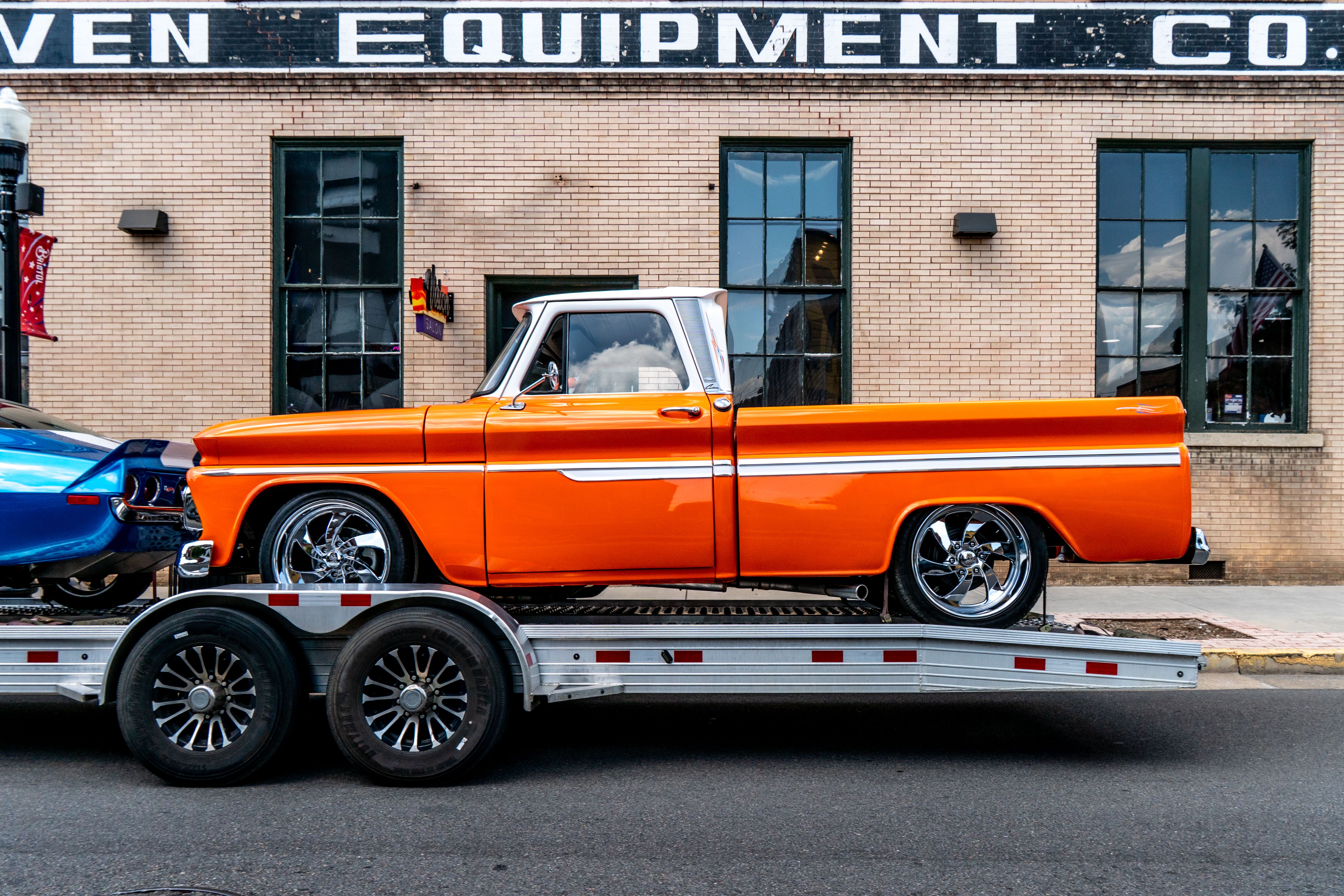
Box Truck Insurance Cost 2026: Pricing Guide
10 min read
Business
Hot Shot Trucking Insurance: Pickup & Gooseneck Coverage
11 min read
Business
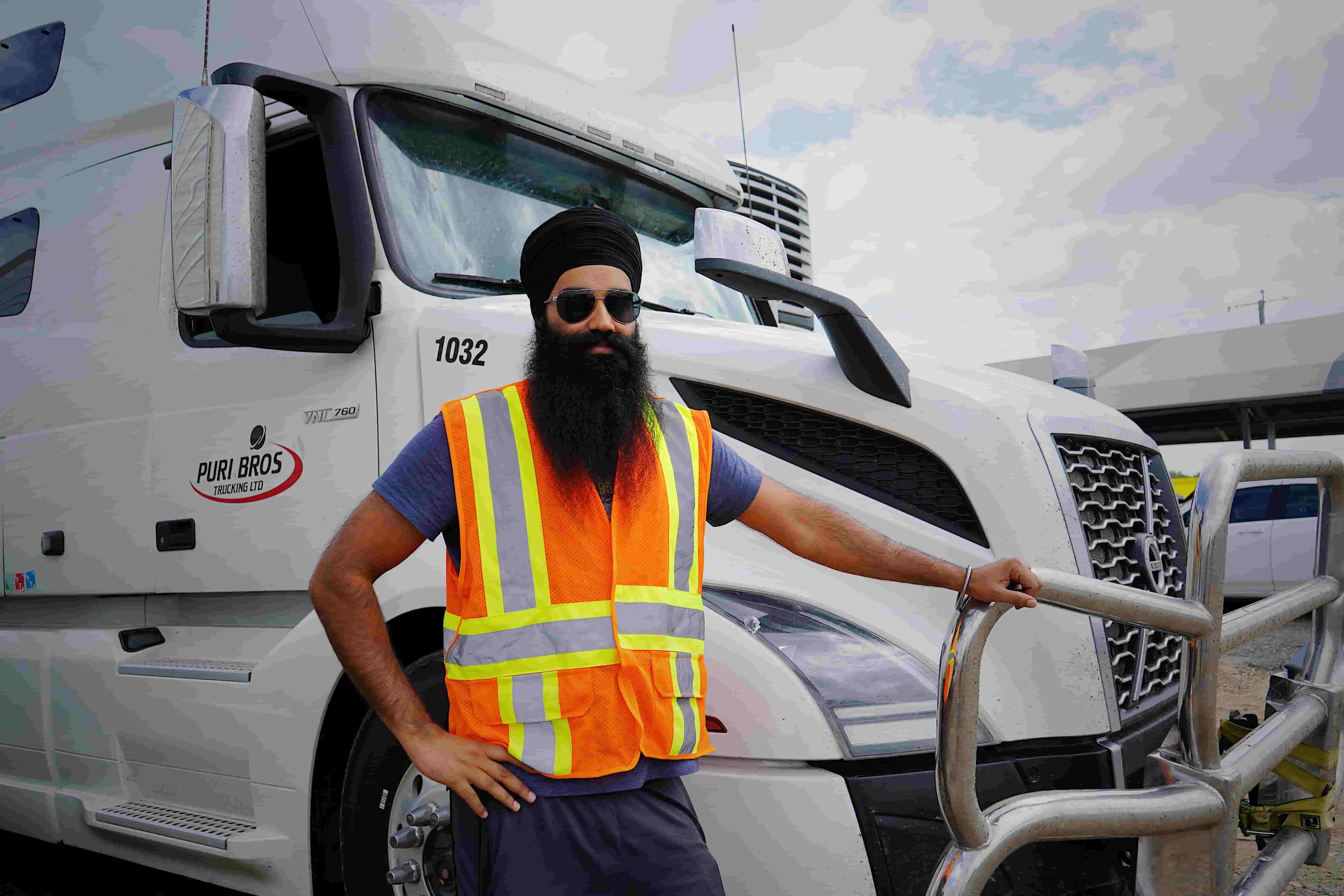
Owner-Operator Truck Insurance: Cost & Coverage 2026
11 min read
Business
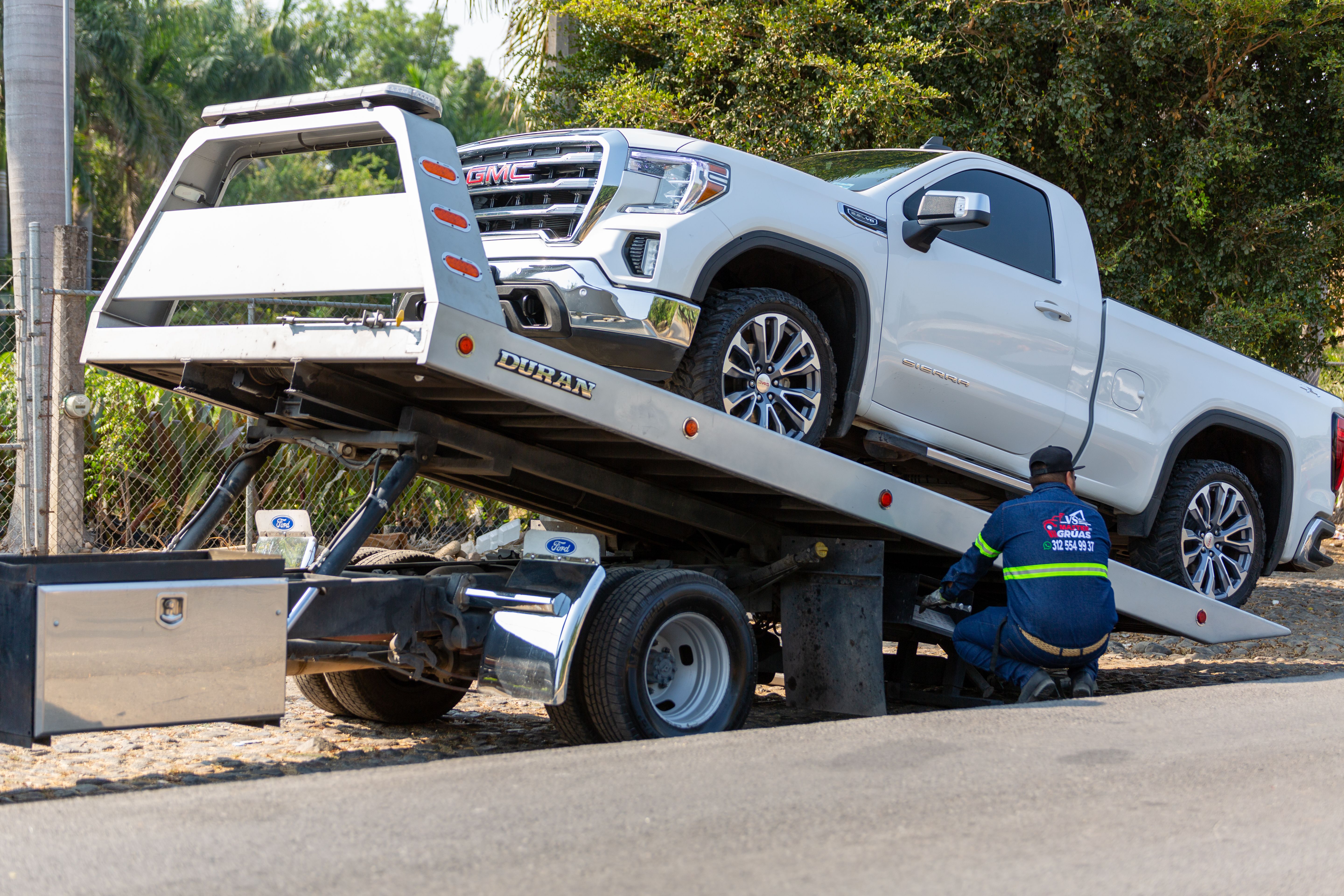
Tow Truck Insurance: On-Hook vs Garagekeepers
10 min read
Business
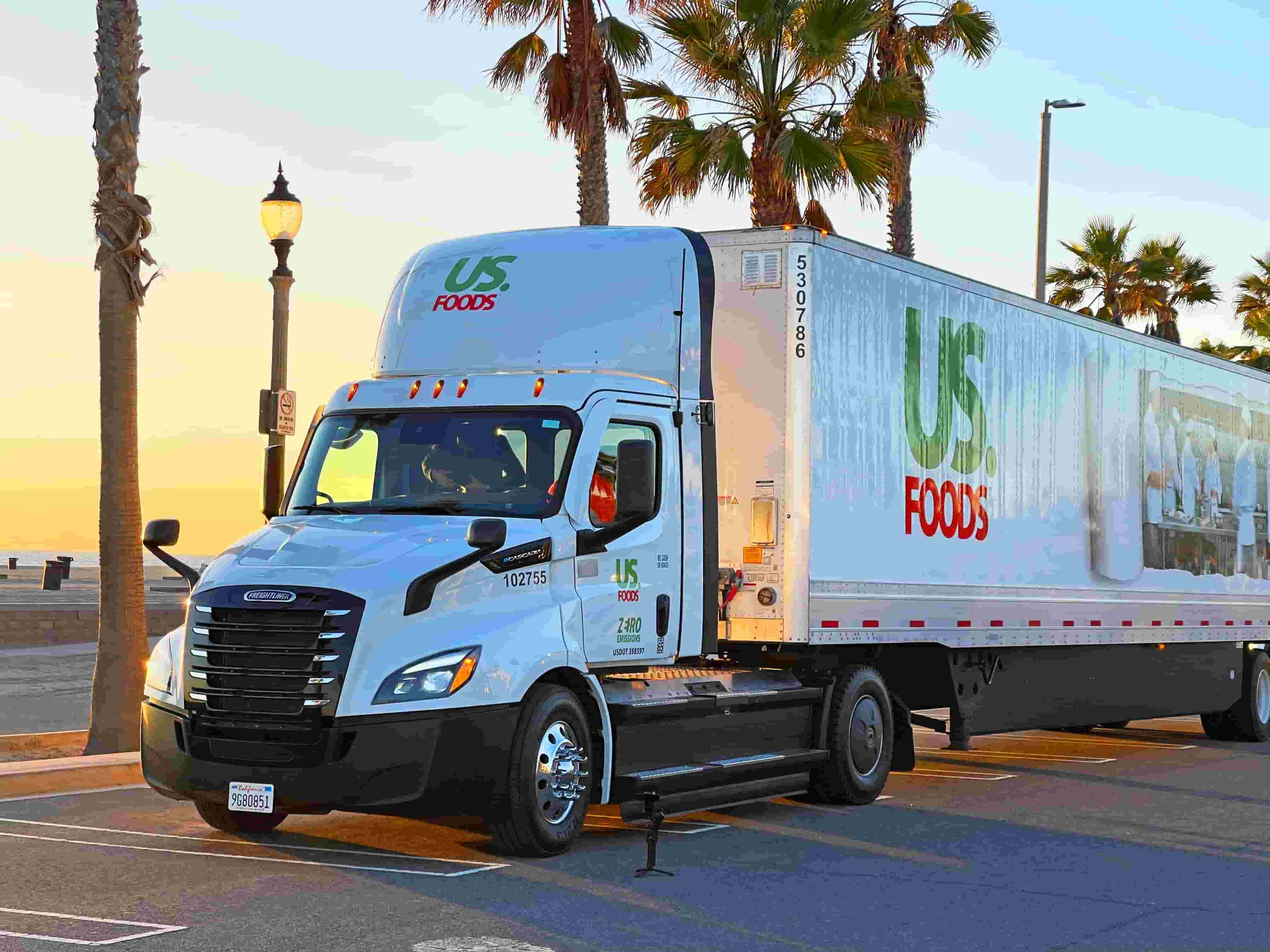
What Is Non-Trucking Liability Insurance? Owner-Op Guide
10 min read
Business
Top Trucking Insurance Companies for Owner-Operators
15 min read
Business
Motor Truck Cargo Insurance: Who Needs It in 2026
14 min read
Business
Commercial Dump Truck Insurance for Owners and Contractors
11 min read
Business
Commercial Trucking Insurance in Pennsylvania
18 min read