Loading
Preparing your coverage insights...
Our Locations
Loading
Preparing your coverage insights...
Bundle liability and property coverage into one cost-effective policy for small businesses.
Licensed in PA, TX, VA, MD, OH, TN & KY only. Quotes available for these states.
Quick Answer
Bodily injury, property damage, and advertising injury claims from customers or third parties, typically at $1M per occurrence / $2M aggregate, plus legal defense costs.
Your building (if owned), equipment, furniture, and inventory against fire, theft, vandalism, and most weather events. Flood and earthquake are excluded.
Lost net income and fixed expenses like rent and payroll if a covered loss forces you to close, usually after a 48 to 72 hour waiting period, for up to 12 months.
Property claims paid at the cost to replace items new, rather than depreciated actual cash value, when replacement cost coverage is selected.
Repair or replacement after mechanical or electrical failure, not just fire or storm damage, for refrigeration, HVAC, and computer systems.
Theft, forgery, and employee dishonesty protection for cash, inventory, and business property.
Reasonable additional costs to keep your business operating during the restoration period after a covered loss.
Why You Need It
According to FEMA, 40% of small businesses never reopen after a major disaster, and another 25% fail within one year of one, most often because they lacked business interruption coverage. A Business Owner’s Policy bundles general liability, commercial property, and business interruption into one policy, typically at a 15 to 30% discount versus buying each separately. Nearly two-thirds of small businesses carry no business interruption coverage at all, according to Insureon research, making it the most common and costly gap in small business insurance.
Consulting offices and low-risk professional services with minimal foot traffic.
Retail stores, cleaning services, and light contractors with equipment or inventory exposure.
Restaurants and medical or dental offices with higher fire, liability, or equipment exposure.
Industry / business type
The single most important rating factor. A restaurant carries far more fire, food-liability, and foot-traffic risk than an office with similar revenue.
Annual revenue
Higher revenue means more business activity and exposure, and it helps set your business income coverage limit.
Location and state
States with higher litigation rates carry higher GL premiums, and your zip code affects property rates based on crime, fire station proximity, and weather exposure.
Property value & replacement cost
The insured value of your building, equipment, and inventory drives your property premium. Replacement cost coverage raises the insured value but removes the depreciation gap at claim time.
Claims history
Claims from the last 3 to 5 years are reviewed during underwriting. Frequent small claims often raise premiums more than one large claim.
Deductible selection
Choosing a higher property deductible, such as $2,500 or $5,000 instead of the standard $1,000, meaningfully lowers your premium.
Number of employees
More employees on premises mean greater liability exposure, and payroll can influence pricing for certain industries.
Coverage limits & endorsements
Higher GL limits, increased business income limits, and added endorsements like cyber or EPLI all raise premium. The right answer is the coverage that leaves no serious gap, not the cheapest option.
A BOP covers three things: general liability (bodily injury, property damage, and advertising injury claims from third parties), commercial property (your building, equipment, furniture, and inventory against fire, theft, and most weather events), and business interruption (lost income and fixed expenses if a covered event forces you to close temporarily). It does not cover workers compensation, professional liability, commercial auto, cyber liability, flood, or earthquake, those require separate policies.
Most businesses under $6 million in annual revenue, with fewer than 100 employees and a physical location, qualify under standard ISO underwriting guidelines. It is well suited for retail stores, restaurants, offices, salons, cleaning services, accounting firms, and light contractors. Higher-risk industries like manufacturing, auto dealers, and bars often do not qualify and need separately placed policies.
According to Progressive Commercial 2025 data, the national median BOP costs around $80 per month for new customers, with a reported average of approximately $127 per month across all risk profiles. Insureon reports 42% of small businesses pay under $50 per month. Industry is the biggest variable: a consulting office typically pays less than a restaurant or medical office. The best way to know your exact cost is to request a quote based on your industry, location, revenue, and property value.
No. A standalone general liability policy covers third-party bodily injury, property damage, and advertising injury claims only. A BOP includes GL plus commercial property insurance plus business interruption coverage, all bundled at a 15 to 30% discount compared to buying them separately. If your business has physical property and depends on continuous revenue, a BOP is almost always the better value.
Yes, business interruption (also called business income) coverage is a standard BOP component. It replaces your lost net income and pays fixed operating expenses such as payroll, rent, and utilities when a covered physical loss forces you to close temporarily. Coverage typically begins 48 to 72 hours after the loss and continues through the period of restoration, up to 12 months.
No. Workers compensation covers employee injuries on the job and is a separate policy, required by state law once a business has employees. A BOP covers general liability, commercial property, and business interruption only.
Yes, some carriers offer basic cyber coverage as a BOP endorsement, covering breach notification costs, credit monitoring, and limited third-party liability. The average global cost of a data breach reached $4.88 million in 2024, according to the IBM Cost of a Data Breach Report, so businesses that process payments or store customer data should ask about this endorsement or a standalone cyber policy for higher limits.
Yes. Multiple locations can be scheduled under one BOP, with property and liability limits set for each address.
Some carriers write BOPs for qualifying home-based businesses, but many do not, since a BOP typically requires a separate commercial premises. Home-based businesses often need a business endorsement added to their homeowners policy, or a standalone package designed for home-based operations. An independent agent can identify the right structure for your setup.
Review your BOP at every annual renewal, and any time you add significant equipment or inventory, complete a major renovation, hire additional employees, or expand into a new service area. Business income limits should be updated whenever your revenue grows meaningfully, since limits that made sense two years ago may leave a serious gap today.
Quote Support
Submit your details and an advisor will reach out soon.
Prefer to talk now? Tap to call and we’ll guide you through the next steps.
Contact Us
Tell us a bit about what you need and we will respond as soon as possible.
Local Coverage
Dragon Insurance Services is a licensed independent business insurance agency at 1525 Cedar Cliff Dr STE 202, Camp Hill, PA 17011. We help small businesses across Camp Hill, Lemoyne, Harrisburg, Enola, and Cumberland County compare Business Owner's Policy quotes that bundle GL and property coverage from 30 plus carriers.
A BOP is typically the most cost-effective way to protect a small business. We confirm which carriers accept your industry and find the right limits for your operations. Call 717-229-5115 or get a free quote online.
Locally based in Camp Hill, PA, serving clients across Pennsylvania, Texas, Virginia, Maryland, Ohio, Tennessee, and Kentucky.
Running the business from home in your own name? Our sole proprietor business insurance guide compares a BOP with an in-home business policy before we quote.
Installing and servicing equipment? HVAC contractor insurance shows how a BOP pairs with workers comp and commercial auto for a trade crew.
Blog
Business Owner's Policy guidance, combining property and liability coverage for small businesses.
July 2, 2026
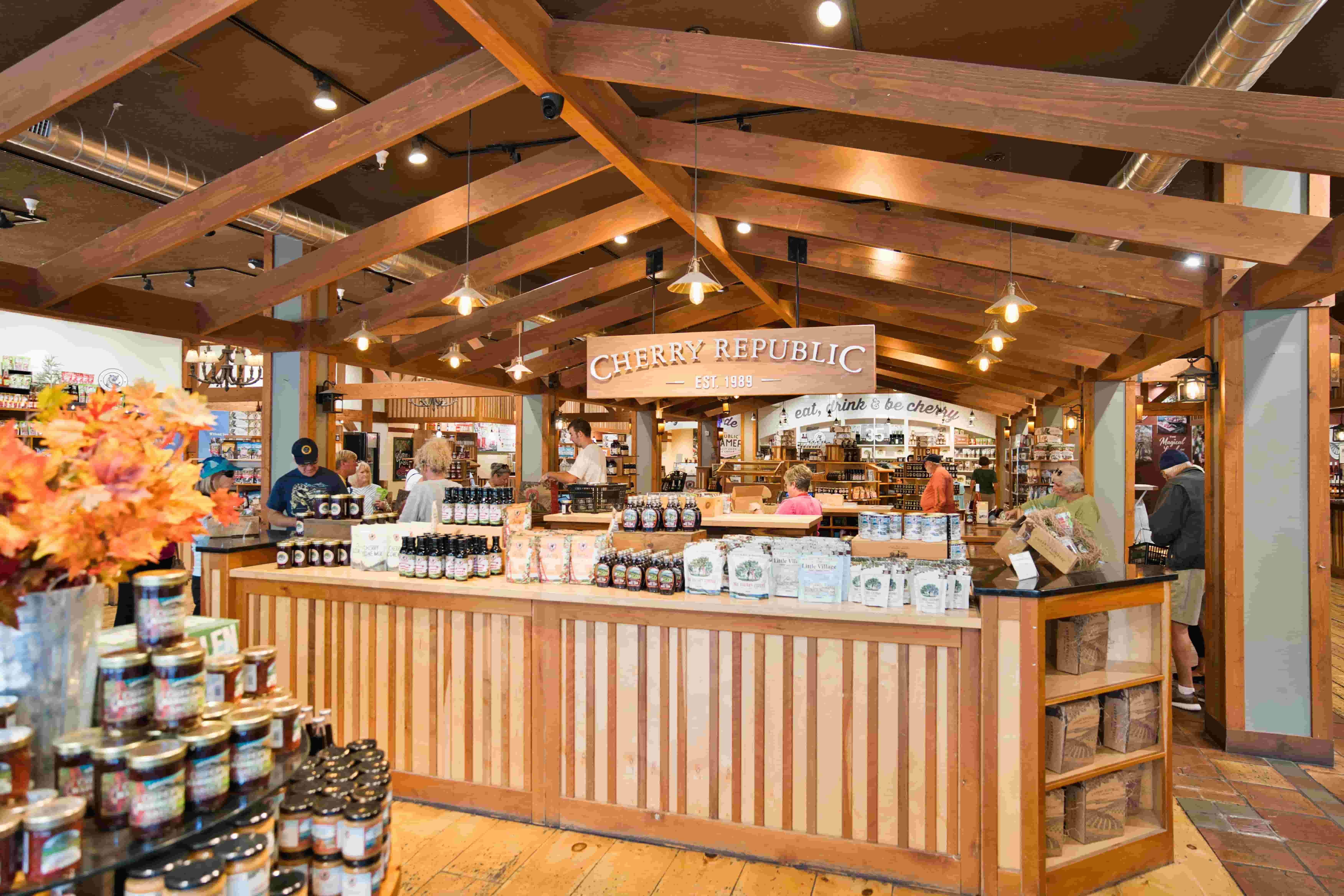
Retail Store Insurance: What It Covers and What It Costs in 2026
A plain-language breakdown of what retail store insurance actually covers, what it costs in 2026 according to published industry data, and the theft, slip-and-fall, and liquor liability risks Pennsylvania retailers need to plan for.
Read article →

June 7, 2026
biBerk vs CNA and Hiscox: Which Fits Your Small Business
biBerk is owned by Berkshire Hathaway (A++ AM Best). Great for simple small business risks; limited for complex contractors and trucking. Dragon compares biBerk against Hiscox, CNA, Coterie, and Thimble. Get a free quote to see rates for your situation.
Read article →

May 5, 2026
General Liability Insurance for Small Businesses: What It Covers and Why Contracts Require It
General liability insurance is the foundation of every business insurance program. Learn what it covers, what it does not, and how much it costs for your industry.
Read article →