Loading
Preparing your coverage insights...
Our Locations
Loading
Preparing your coverage insights...

Compare $1M/$2M limits from top carriers and get your certificate the same day.
Licensed in PA, TX, VA, MD, OH, TN & KY only. Quotes available for these states.
Quick Answer
Pays when someone who is not an employee is hurt in connection with your business, such as a customer who slips in your shop or a passerby injured by your equipment. Covers their medical bills, lost income, and any settlement or judgment up to your limit.
Pays when your work or your operations damage property belonging to someone else, such as a contractor cracking a homeowner tile floor or a cleaning crew ruining office equipment. Damage to your own property is a commercial property claim, not a GL claim.
Covers libel, slander, copyright infringement in your advertising, and related offenses. This is the coverage that responds when a competitor claims your marketing copied theirs or a review you posted is called defamatory.
Pays attorney fees, court costs, and investigation expenses even when the claim against you is groundless. Defense is often the larger expense, since most liability claims are resolved without a finding of fault but still require a lawyer.
Pays smaller medical bills for a third party injured on your premises without anyone having to prove you were at fault. It exists to settle minor incidents quickly before they escalate into liability claims.
Covers claims that surface after a job is finished or after a product leaves your hands. For contractors this is the piece that responds when work completed months ago causes damage, and most construction contracts require it explicitly.
Why You Need It
General liability insurance protects your business from financial loss if you're responsible for bodily injury, property damage, or legal claims. It helps cover lawsuits, medical expenses, and damages, so your business can operate with confidence.
Small service businesses.
Growing teams with more foot traffic.
High-risk or high-revenue businesses.
Prem Khawas
“Dragon Insurance Services is the best insurance agency in Harrisburg, PA! They helped me save money while making sure I had the right coverage for my needs. The team is professional, knowledgeable, and always takes the time to explain my options without any pressure. Their customer service is outstanding, and they genuinely care about finding the best policy for their clients. I highly recommend Dragon Insurance Services to anyone looking for affordable insurance and excellent service!”
Industry classification code
Carriers assign a class code describing what you actually do, and it is the single largest rating input. A roofer working at height and a bookkeeper working from a laptop are priced very differently even at identical revenue, because the frequency and severity of expected claims are not comparable.
Annual revenue and payroll
GL premium is usually rated per thousand dollars of revenue or payroll, so growth raises premium even with no change in operations. Underestimating projected revenue at quote time is the most common cause of an unwelcome premium audit bill at renewal.
Claims history
Carriers look at roughly five years of loss runs. Frequency matters more than severity: three small claims usually hurt your pricing more than one larger one, because frequency suggests a process problem rather than bad luck.
Subcontractor use
If you hire subs and cannot produce certificates of insurance proving they carry their own coverage, most carriers will charge you as though their payroll were yours. Collecting sub certificates before the audit is one of the few ways to lower a bill after the policy is already written.
Coverage limits and deductible
Moving from $1M/$2M to $2M/$4M costs far less than doubling the premium, because most claims never approach the upper layer. When a contract demands higher limits, an umbrella policy stacked over GL is usually cheaper than raising the underlying limit.
Location and premises
Foot traffic, square footage, and whether customers physically come to you all move the price. A business that never hosts clients on site carries meaningfully less premises exposure than a storefront.
No state requires general liability the way it requires workers compensation or commercial auto. In practice it is required by contract instead: commercial landlords require it on the lease, general contractors require it before you set foot on a jobsite, and most municipalities require it to issue a contractor license or permit. That is why the practical question is rarely whether you need GL, but which limits your contracts demand.
The overwhelming default is $1,000,000 per occurrence and $2,000,000 aggregate. Per occurrence is the most the policy pays for any single claim; the aggregate is the ceiling for the whole policy year and it resets at renewal. Larger commercial or government contracts often require $2M/$4M or a $1M umbrella stacked on top. Read the insurance requirements section of the contract before you buy, because upgrading mid-term costs more than writing it correctly the first time.
We issue COIs the same day, and most general liability quotes are ready within one business day. If a general contractor is holding up your start date for a certificate naming them as additional insured, call 717-229-5115 and we can usually turn it around while you are on the phone, provided the policy is already bound.
It extends your policy to cover another party, usually a client, landlord, or general contractor, for claims arising out of your work. Contracts frequently require it, and a certificate alone does not provide it: the endorsement has to actually be added to the policy. Asking for a certificate that says additional insured without the endorsement behind it is one of the more common and more dangerous paperwork gaps we see.
No. GL covers bodily injury, property damage, and advertising injury. It does not cover claims that you gave bad advice, made an error in your professional work, or failed to deliver. That is professional liability, also called errors and omissions. Consultants, accountants, designers, IT firms, and anyone selling expertise rather than physical work generally need both policies.
If you have any business property to protect, a Business Owners Policy is usually the better value, because it bundles general liability with commercial property and business interruption for less than buying the pieces separately. Standalone GL makes sense when you have almost no property, such as a service business working entirely from client sites. We quote both side by side so you can see the actual difference rather than guessing.
Not automatically, and this is where uninsured subs become expensive. Your policy covers your liability, not theirs. If a sub causes damage and carries no coverage, the claim lands on your policy and your loss history. Carriers also charge you for uninsured sub payroll at audit. Collect a certificate of insurance from every sub before they start, and keep it on file until after your audit.
Insureon 2025 data puts the median small business general liability premium around $45 a month, but that median hides a wide spread. A consultant working from a laptop and a framing contractor working at height are not close in price even at the same revenue. Your industry class code, revenue, claims history, and subcontractor use drive the number. We compare carriers rather than quoting a single company rate.
Almost never. Standard GL forms exclude cyber and data breach losses, and most carriers have added explicit exclusions in recent years. If you store customer records, take payments online, or hold any sensitive data, cyber liability is a separate policy and worth pricing alongside your GL renewal.
Quote Support
Submit your details and an advisor will reach out soon.
Prefer to talk now? Tap to call and we’ll guide you through the next steps.
Contact Us
Tell us a bit about what you need and we will respond as soon as possible.
Local Coverage
Dragon Insurance Services is a licensed independent business insurance agency at 1525 Cedar Cliff Dr STE 202, Camp Hill, PA 17011. We help small businesses across Camp Hill, Lemoyne, Harrisburg, Enola, and Cumberland County compare general liability insurance quotes from 30 plus carriers including biBerk and Attune.
We issue COIs same day and can have most GL quotes ready within one business day. Call 717-229-5115 or get a free quote online.
Locally based in Camp Hill, PA, serving clients across Pennsylvania, Texas, Virginia, Maryland, Ohio, Tennessee, and Kentucky.
Want the full breakdown? Read our complete guide: General Liability Insurance for Small Businesses 2026: Cost, Coverage and Who Needs It
Ready to compare quotes? Get a small business insurance quote from Dragon Insurance and compare 30 plus carriers in under 1 hour.
Running a trade crew? Our HVAC contractor insurance guide shows how we quote GL alongside workers comp and commercial auto for installers.
Blog
Business liability guidance, coverage tips, and risk management insights for small businesses.

May 5, 2026
General Liability Insurance for Small Businesses: What It Covers and Why Contracts Require It
General liability insurance is the foundation of every business insurance program. Learn what it covers, what it does not, and how much it costs for your industry.
Read article →

July 13, 2026
Sole Proprietor Business Insurance: What Actually Changes
A sole proprietorship has no legal wall between you and your business, so a lawsuit against the business is a lawsuit against you personally. Here is the coverage stack that actually applies, and why you do not need an EIN to get quoted.
Read article →
June 19, 2026
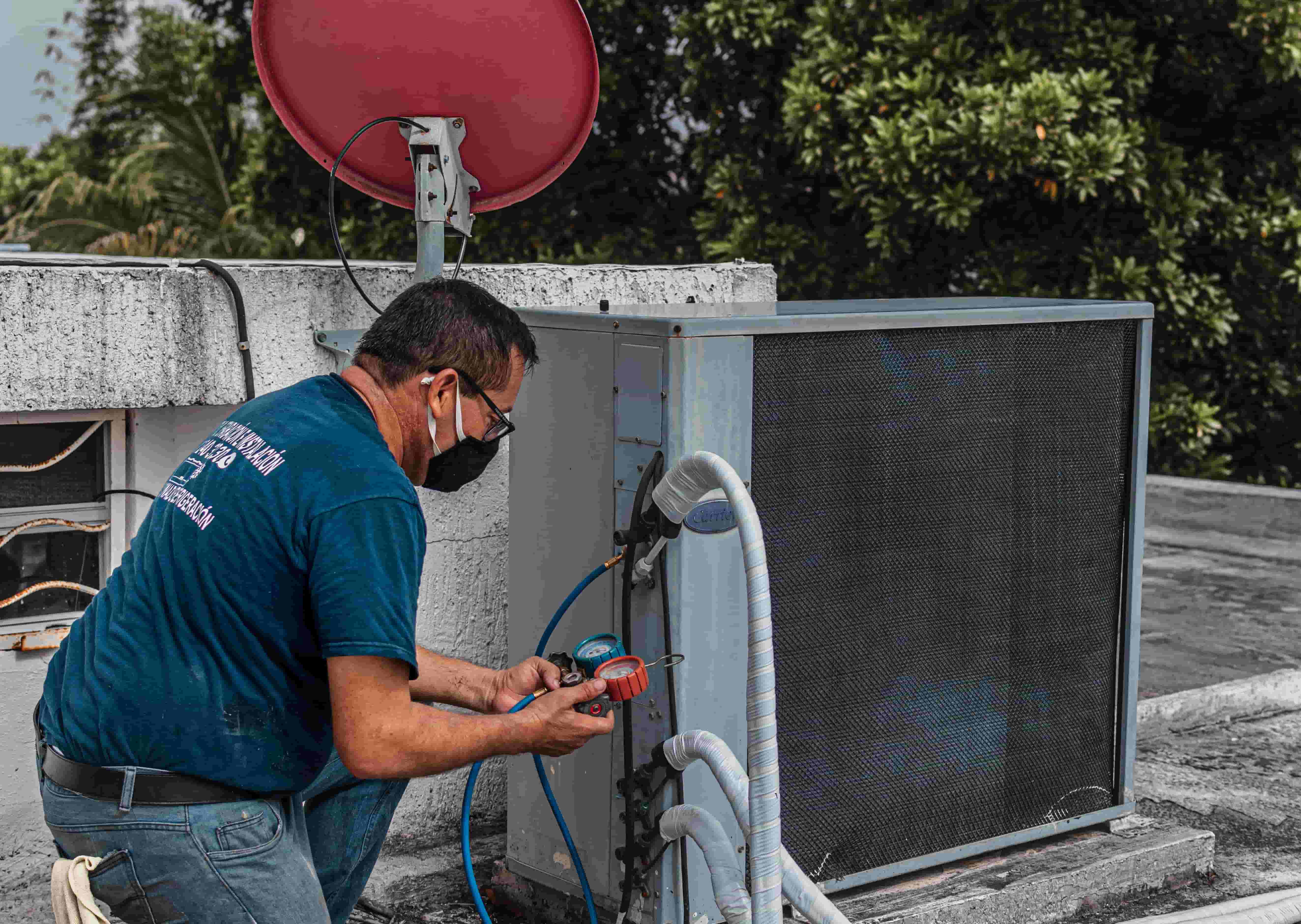
HVAC Contractor Insurance: Cost, Coverage & PA Requirements
HVAC contractors need GL, commercial auto, workers comp, and tools coverage. PA requires workers comp for any employer with employees. Get a free quote to see rates for your situation.
Read article →

May 6, 2026
Professional Liability Insurance (E&O): What It Covers and Who Needs It
Professional liability (E&O) insurance pays defense costs, settlements, and judgments when a client claims your advice, services, or failure to deliver caused them financial harm. General liability does not cover this gap.
Read article →