Loading
Preparing your coverage insights...
Our Locations
Loading
Preparing your coverage insights...

Protect your rental property with coverage built for landlords - from property damage to liability and rental income options.
Licensed in PA, TX, VA, MD, OH, TN & KY only. Quotes available for these states.
Quick Answer
Coverage for the rental structure after covered losses (like fire, wind, or vandalism).
Protection for detached garages, sheds, and fences.
Coverage for legal and medical expenses if someone is injured on the property.
Helps replace lost rental income if a covered loss makes the home uninhabitable.
Coverage for items you provide (like appliances) - tenant belongings are not included.
Common add-ons include higher liability limits, umbrella options, and coverage for specific risks by carrier/state.
Why You Need It
Landlord insurance protects your rental property, your income, and your financial future. From property damage to liability claims, the right coverage ensures your investment stays secure even when the unexpected happens.
Single-family rentals and first-time landlords.
Multi-unit rentals or higher-value properties.
Landlords protecting multiple properties and higher assets.
Location
Weather exposure, crime rates, and distance to a fire station and hydrant all move the rate. Two identical rentals a few miles apart can price very differently purely on protection class.
Property details
Age, construction type, and above all roof age drive both price and eligibility. Many carriers will decline or surcharge a roof over about 20 years old, and updated electrical, heating and plumbing are what keep an older rental insurable at a standard rate.
Occupancy and vacancy
Tenant-occupied, owner-occupied, seasonal, and vacant are four different underwriting classes. Most policies restrict or suspend coverage once a property has sat vacant beyond roughly 30 to 60 days, so a turnover gap or a renovation between tenants needs to be disclosed rather than assumed.
Tenant screening and lease terms
Carriers look at whether you screen tenants, run background checks, and require renters insurance in the lease. Requiring tenants to carry their own policy reduces the liability claims that land on yours, and some carriers price for it.
Coverage choices
Higher limits and lower deductibles typically increase premium.
Claims history
Prior claims can impact availability and pricing depending on carrier/state.
Safety features
Smoke detectors, alarms, and updated systems can help reduce cost.
No, and this is the single most expensive mistake landlords make. An HO-3 homeowners policy is underwritten and priced on the assumption that the owner lives there. Once the property becomes a rental, the exposure changes and the carrier can deny a claim or cancel the policy for misrepresentation. The correct form is usually a DP-3 dwelling policy. Tell us the day the property converts to a rental, not at renewal.
No. Your policy covers the building and anything you own inside it, such as appliances you supply. A tenant personal property is their responsibility and needs their own renters policy. Most landlords now require renters insurance in the lease and ask to be listed as an additional interested party so they are notified if the tenant policy lapses.
If a covered loss such as a fire or burst pipe makes the unit uninhabitable, this pays the rent you would have collected while it is repaired. Limits are commonly expressed as a percentage of the dwelling limit or as a set number of months. It only responds to a covered loss, so it does not cover a tenant who simply stops paying, which is a different product entirely.
It depends on the carrier and policy form. We can quote options that include loss of rents or fair rental value coverage.
Some carriers have specific requirements for short-term rentals. We'll confirm the correct policy based on your rental type.
Flood is typically excluded and requires a separate flood insurance policy.
Turnaround varies by property details and carrier requirements. We'll confirm timing after we review the basics.
Often yes. Bundling with auto, home, or umbrella can reduce premiums depending on carrier availability.
Many landlords choose higher limits due to increased exposure. We can compare options and recommend a liability strategy.
Vacant properties may require special coverage. We'll help confirm the right approach based on how long it will be vacant.
Quote Support
Submit your details and an advisor will reach out soon.
Prefer to talk now? Tap to call and we’ll guide you through the next steps.
Contact Us
Tell us a bit about what you need and we will respond as soon as possible.
Local Coverage
Dragon Insurance Services is a licensed independent insurance agency at 1525 Cedar Cliff Dr STE 202, Camp Hill, PA 17011. We help rental property owners across Camp Hill, Lemoyne, Harrisburg, Enola, and Cumberland County compare landlord insurance quotes from 30 plus carriers including Safeco and Liberty Mutual.
Whether you own a single-family rental, a multi-unit property, or short-term rental homes, we find landlord coverage that protects your dwelling, liability, and rental income. Call 717-229-5115 or get a quote online.
Locally based in Camp Hill, PA, serving clients across Pennsylvania, Texas, Virginia, Maryland, Ohio, Tennessee, and Kentucky.
Coverage Breakdown
Landlord insurance comes in three form levels, and the difference between them shows up at claim time, not on the declarations page. Most rental properties should carry a DP-3.
| Form | Coverage Type | Best For |
|---|---|---|
| DP-1 (Basic Form) | Named perils only, typically fire, lightning, windstorm, and a few others. Pays actual cash value. | Vacant land or low-value properties. Rarely recommended for active rentals. |
| DP-2 (Broad Form) | Broader named perils than DP-1. May pay replacement cost on the dwelling but actual cash value on contents. | A mid-tier option, better than DP-1 but still more limited than DP-3. |
| DP-3 (Special Form) | Open perils on the dwelling: all causes of loss are covered unless specifically excluded. Replacement cost. Most comprehensive. | Most rental properties. The standard recommendation for active landlords. |
The premium difference between DP-1/DP-2 and DP-3 is typically modest, but the coverage gap at claim time can be significant. See our full landlord insurance guide for a cost breakdown by dwelling coverage limit. Call 717-229-5115 for a quote specific to your property.
Blog
Landlord insurance guidance, rental property coverage tips, and risk management for property owners.
May 7, 2026
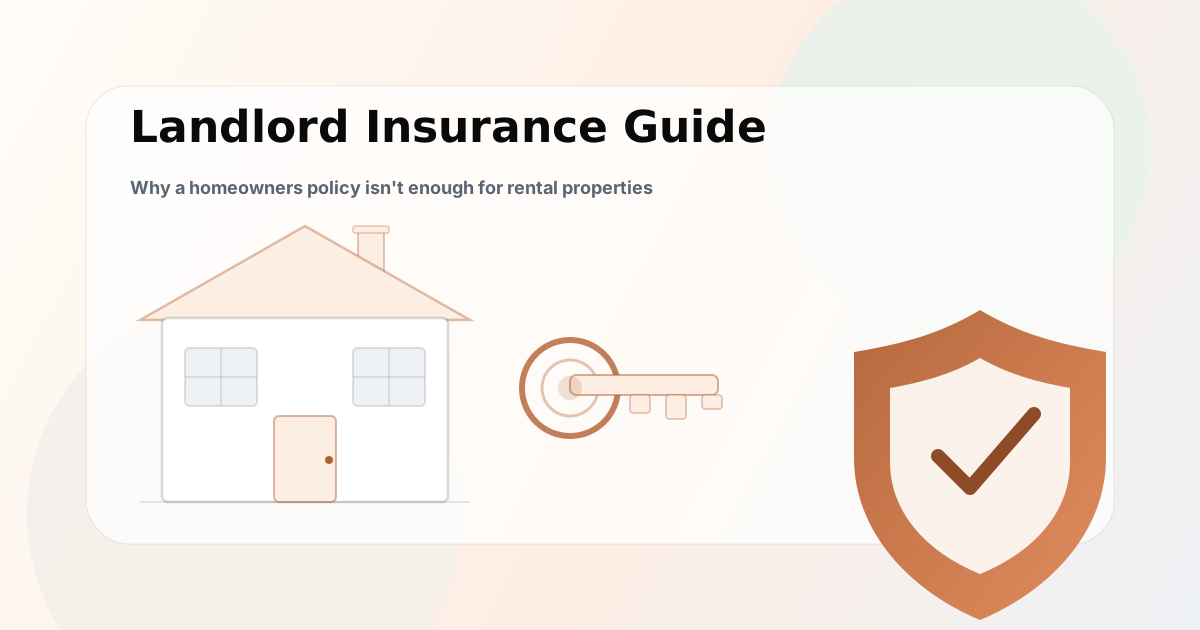
Landlord Insurance: Why a Homeowners Policy Is Not Enough for Rental Properties
Using a standard homeowners policy on a rental property can result in a denied claim. Landlord insurance covers the dwelling, liability, and lost rental income correctly.
Read article →
June 7, 2026
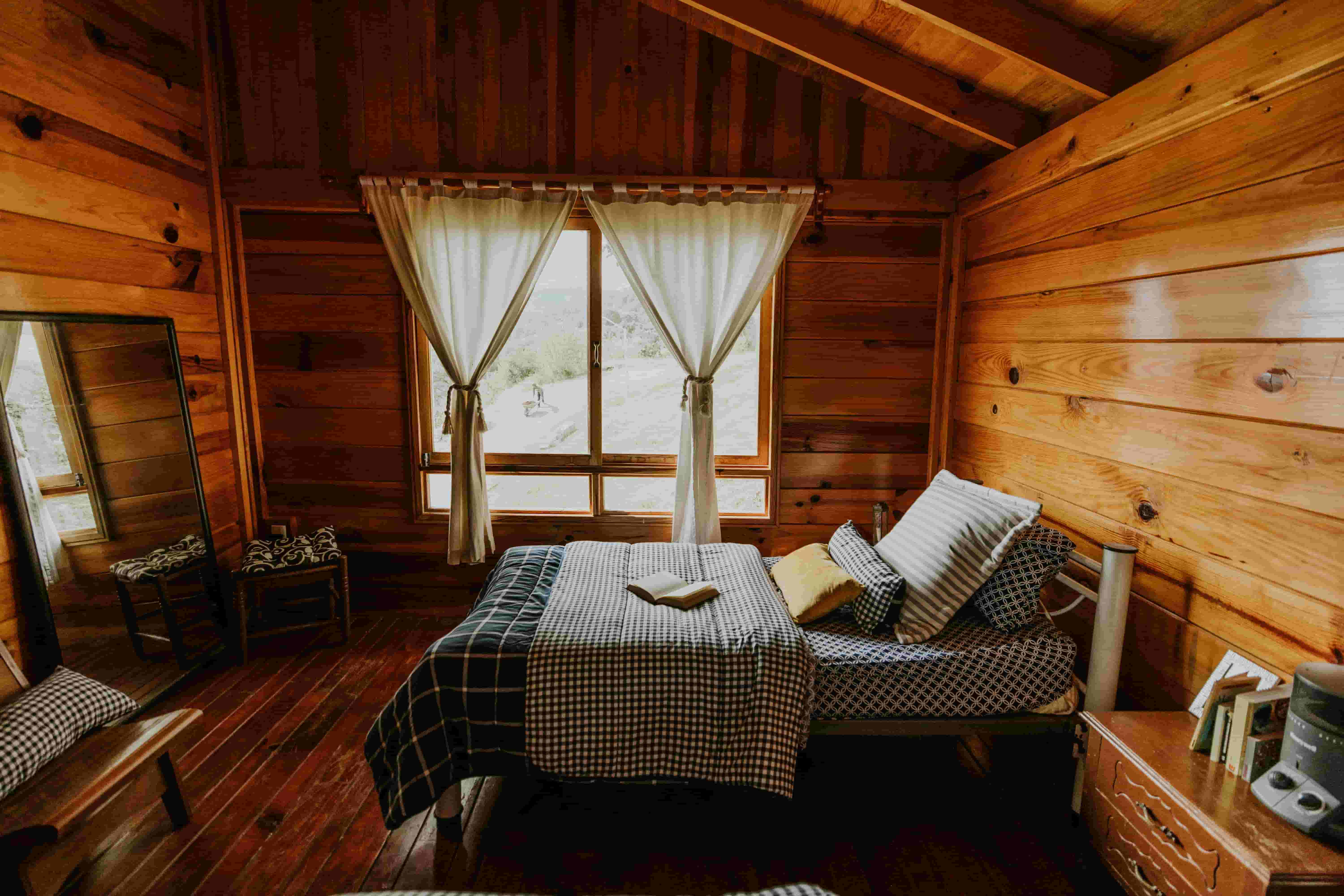
Short-Term Rental Insurance for Airbnb and VRBO Hosts (2026 Guide)
Most homeowners policies exclude paying Airbnb guests. AirCover is not real insurance. Here is what STR insurance actually covers and the top carriers Dragon uses: Steadily, Obie, and Openly. Get a free quote to see rates for your situation.
Read article →
June 7, 2026
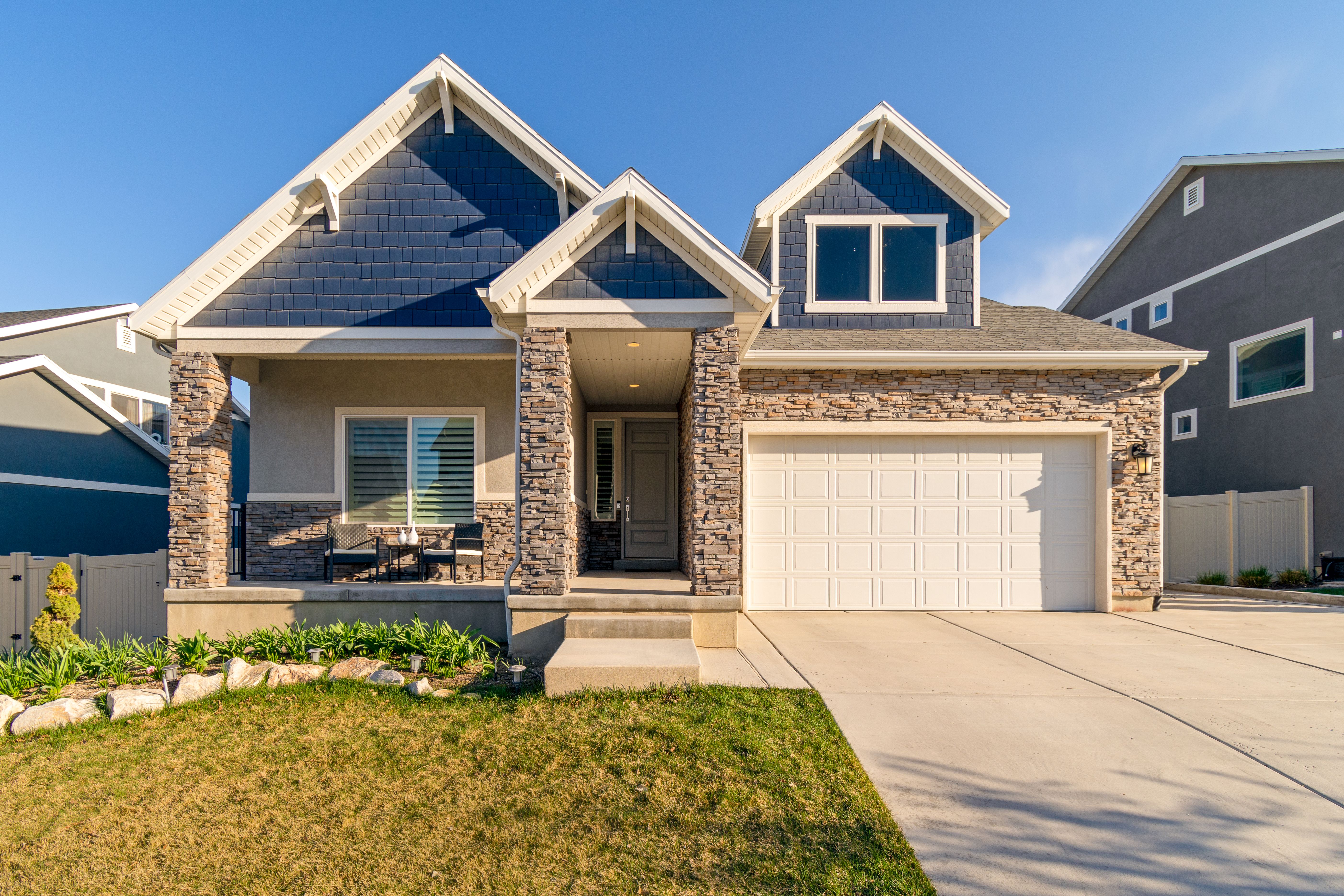
Best Home Insurance Companies 2026: Top Picks from Dragon Insurance
The best home insurance for 2026 depends on replacement cost coverage, claims service, and your state. Dragon shops Safeco/Liberty Mutual, Openly, Foremost, Plymouth Rock, and Westfield. Get a free quote to see rates for your state.
Read article →